
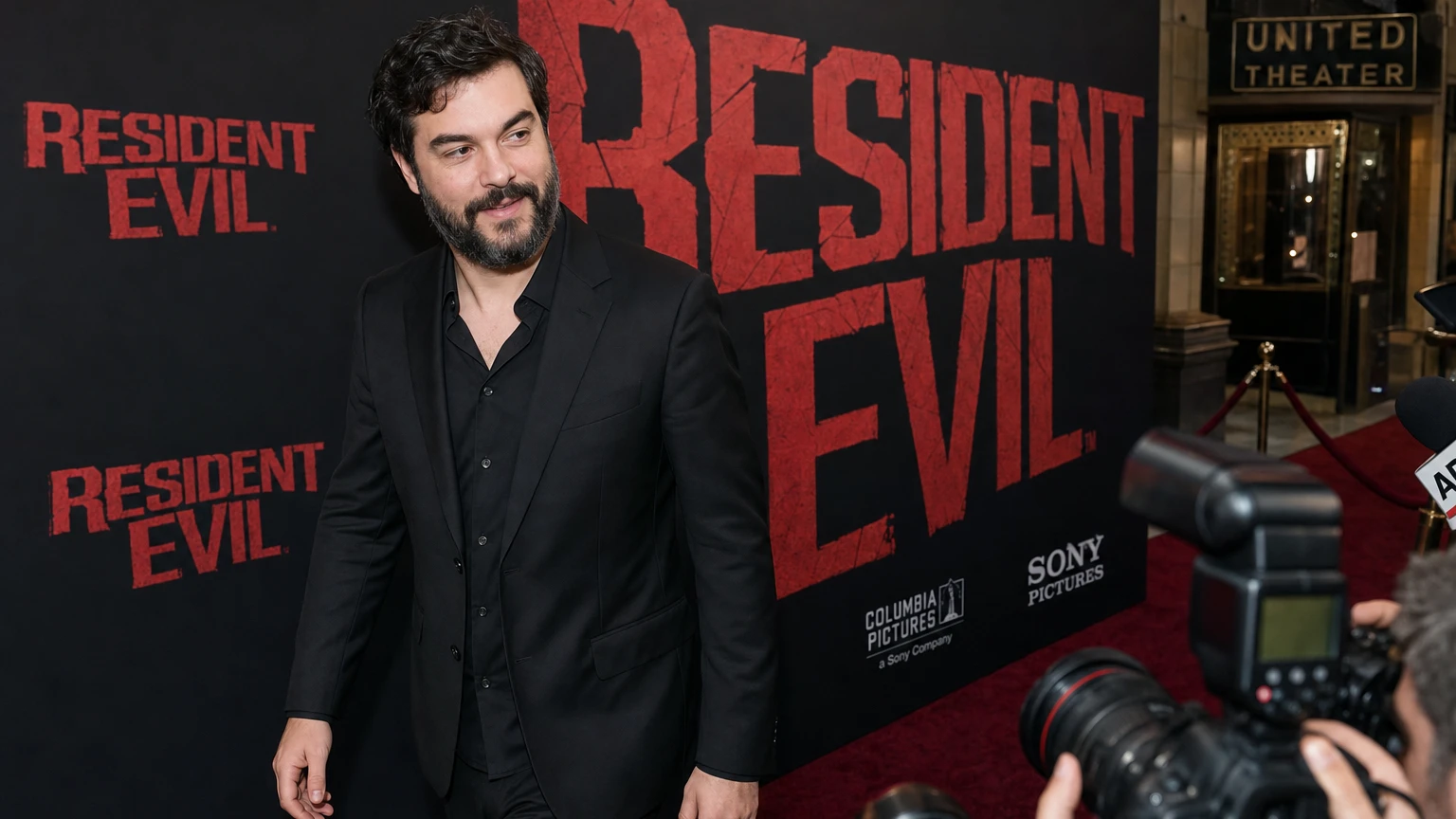
Zach Cregger’s Resident Evil reboot opened with an estimated $60 million from 3,684 theaters in the United States and Canada, more than doubling the franchise’s previous opening-weekend record.
Sony Pictures’ horror release also collected $48.3 million internationally, lifting its worldwide launch to $108.3 million, according to Sunday studio estimates. The figures make the September 18 release the weekend’s clear No. 1 movie and give the long-running video-game adaptation series its strongest domestic debut by a wide margin.
The result is more than a symbolic franchise high. At $60 million, the new film earned almost as much during its first North American weekend as 2010’s Resident Evil: Afterlife made across its entire domestic run. Afterlife remains narrowly ahead at $60.13 million until final figures and additional weekday sales arrive.
Final weekend numbers are expected Monday, September 21, and could move the estimate slightly. Regardless of that adjustment, the reboot has already established a new opening record and is positioned to become the franchise’s highest-grossing movie in the U.S. and Canada within days.
The $60 million opening rewrites the franchise record
Before this weekend, Afterlife held the series opening record with $26.65 million in September 2010. The reboot’s estimated $60 million debut is roughly 2.25 times that amount—an increase of about 125% without adjusting for inflation.
The comparison is even more striking against the most recent theatrical reboot. Resident Evil: Welcome to Raccoon City opened to $5.32 million in November 2021 and finished with $17 million domestically and $41.9 million worldwide. Cregger’s movie made more than three times that film’s global total during its North American opening alone.
| Film | North American opening | Final domestic total |
|---|---|---|
| Resident Evil (2026) | $60 million estimated | $60 million through Sunday |
| Resident Evil: Afterlife (2010) | $26.65 million | $60.13 million |
| Resident Evil: Extinction (2007) | $23.68 million | $50.65 million |
| Resident Evil: Apocalypse (2004) | $23.04 million | $50.74 million |
| Resident Evil: Retribution (2012) | $21.05 million | $42.35 million |
| Resident Evil (2002) | $17.71 million | $40.12 million |
| Resident Evil: The Final Chapter (2016) | $13.60 million | $26.84 million |
| Welcome to Raccoon City (2021) | $5.32 million | $17 million |
The reboot averaged about $16,287 per theater over the three-day weekend. Its lead over the rest of the market was substantial: second-place Practical Magic 2 earned an estimated $12.2 million, meaning Resident Evil sold nearly five times as many tickets.
A $108.3 million global launch changes the financial picture
The international contribution is important because the earlier Resident Evil films frequently depended on overseas audiences. Several entries generated relatively modest North American totals while reaching between $240 million and $314 million worldwide.
The new film’s $48.3 million international start represents about 45% of its opening global business. Its $108.3 million worldwide launch also exceeds the movie’s reported $75 million production budget, which does not include marketing and distribution expenses.
That does not mean the film has already become profitable. Theaters retain a portion of ticket revenue, advertising adds significantly to studio costs, and the financial outcome will depend on the movie’s staying power. But clearing the production budget in worldwide ticket sales during the first weekend gives the release considerably more room than its predecessor had.
The size of the debut also changes the conversation around the reboot. Before opening, its challenge was whether another movie could overcome audience fatigue after seven earlier theatrical installments and a poorly received 2021 relaunch. After Sunday’s estimate, the questions are how well it will hold, how high it can finish and whether Sony and its production partners will move quickly on another film.
Zach Cregger just delivered his biggest opening
The weekend is also a career high for Cregger, whose name has become a significant part of the marketing for his films.
His 2022 breakout Barbarian opened to $10.54 million and ultimately earned $40.84 million domestically. His follow-up, Weapons, debuted to approximately $42.5 million in 2025 before building a domestic total above $150 million.
Resident Evil opened approximately 41% higher than Weapons, despite arriving as an R-rated film restricted for bloody violence, gore and language. That result suggests the debut was powered by more than the game’s established fan base: it combined franchise awareness with confidence in Cregger following two successful original horror releases.
The film stars Austin Abrams as Bryan, a medical courier whose final delivery of the night becomes a fight for survival amid infected creatures and escalating chaos in Raccoon City. Cregger co-wrote the screenplay with Shay Hatten. Zach Cherry, Kali Reis and Paul Walter Hauser also appear.
Unlike a direct retelling centered on familiar game protagonists, the movie follows a new character through an original story set inside the broader Resident Evil world. That creative decision generated debate before release, but it gave the filmmakers room to borrow the games’ survival structure and atmosphere without reproducing a specific campaign.
For more on the film’s premise and initial reception, see NextWatch AI’s opening-day report on Cregger’s Resident Evil reboot.
Reviews helped turn Thursday interest into a breakout weekend
The opening began with $8.8 million from Thursday previews. Friday’s total, including those previews, reached $26.3 million—nearly matching Afterlife’s entire record-setting opening weekend in a single day.
Positive reviews gave Sony another selling point beyond the title and director. As Sunday estimates arrived, the movie held a 95% score on Rotten Tomatoes. Exit polling showed an audience that was 66% male and 75% under 35, while moviegoers awarded it a B+ CinemaScore.
The demographic data helps explain the initial surge. Younger viewers arrived in force for a recognizable game property, while Cregger’s recent track record expanded the event beyond viewers attached to individual characters or storylines from the games.
The B+ CinemaScore is respectable for an intense horror release, although it does not guarantee unusually long theatrical legs. Horror movies often attract their most committed audiences immediately, and Resident Evil was no exception: previews accounted for roughly one-third of the reported Friday number.
That front-loading makes the second weekend especially important. A sharp decline would still leave the film with a successful opening, but a stronger-than-typical hold would point toward a much larger domestic finish.
What the opening says about video-game movies
Resident Evil enters the same opening-weekend range as 2024’s Sonic the Hedgehog 3, which debuted with just over $60 million in North America. It remains below the largest video-game movie launches, including broader-audience hits based on Mario, Minecraft, Sonic and Five Nights at Freddy’s.
Its significance is different. Rather than relying on animation, family attendance or a PG-13 gateway-horror rating, Resident Evil generated $60 million as a graphic R-rated survival-horror movie. That makes the result a useful test for studios considering adult-skewing adaptations of game properties that cannot easily be softened for younger audiences.
The film also demonstrates that fidelity does not necessarily require copying a game’s storyline scene for scene. Audiences responded to a movie using the franchise’s world, mechanics and tone while introducing a different central character. That model could offer filmmakers more creative flexibility—provided the adaptation still feels recognizable to players.
Horror remains one of the theatrical market’s most reliable categories
Rentrak estimated that horror movies had generated more than $1.1 billion at the domestic box office in 2026 before the final run of fall releases. Resident Evil adds another major opening to that total and reinforces the genre’s ability to create theatrical events at production costs below those of many superhero and science-fiction tentpoles.
The weekend also illustrates why studios continue pairing established intellectual property with directors who have their own followings. The Resident Evil brand supplied awareness, but Cregger’s involvement helped distinguish this reboot from the previous films and gave horror viewers a reason to treat it as more than another franchise installment.
For Sony and Constantin Film, the immediate benefit is a commercially revived series. For Cregger, the opening strengthens his position as a director whose name can move tickets. For other studios, it is evidence that a game adaptation aimed squarely at adults can compete at blockbuster scale when the concept, filmmaker and release campaign align.
What to watch next
- Monday’s final figures: The $60 million domestic number is a studio estimate. Final sales will determine the official opening and how closely it approaches Afterlife’s $60.13 million lifetime domestic total.
- The second-weekend decline: The Thursday preview rush points to front-loading, but strong reviews could help the movie hold better than a typical franchise horror release.
- International expansion: The earlier films earned most of their money outside North America. The reboot’s $48.3 million overseas opening gives it a base, but its long-term global performance will determine whether it can approach the series’ biggest worldwide totals.
- A possible sequel: No follow-up had been formally announced by Sunday. The opening makes further development far more likely, although the studio will still assess audience retention, international sales and Cregger’s availability.
- The broader game-adaptation pipeline: Studios will be watching whether the movie’s adult audience remains engaged after opening weekend, not simply whether fans appeared immediately.
The first verdict is already clear: Resident Evil has escaped the modest opening range that defined the franchise for more than two decades. Whether it becomes a durable theatrical hit now depends on what happens after the record-setting rush into Raccoon City.
Make YouTube smarter with NextWatch AI
Use AI search, smarter discovery, playback tools and speed testing directly in your browser.
Add NextWatch AI to Chrome ↗